Buying or Selling in the Heart of Charlotte? Start Here.
The questions worth asking before making your next move in one of Charlotte's most connected parts of the city.

There's a point when browsing becomes something more serious.
Maybe you've been watching homes come onto the market. Maybe you're wondering what your current home could sell for. Maybe Charlotte is the next stop in a relocation. Or maybe you simply know that where you live no longer fits the way you want to live.
Whatever brought you here, you don't need to have everything figured out before talking to a real estate professional.
In fact, you probably shouldn't.
Some of the most important decisions happen before the showing, the offer or the listing appointment. Here are the questions I believe are worth asking first.
If I'm buying, where should I actually start?
Not with Zillow. Not even with the house. Start with the life the house needs to support.
Before I worry about countertops, square footage or whether a property photographs beautifully, I want to understand what matters when you walk out the front door.
How often do you commute? Do you want restaurants and coffee within walking distance? Would you trade some square footage for location? Do you want the convenience of a condo, the privacy of a single-family home or something in between? Are you looking for a place to stay for a few years or somewhere you could see yourself growing into?
Those answers begin narrowing a search much faster than scrolling through hundreds of listings.
A beautiful property in the wrong location is still the wrong property. The goal isn't simply to find a house you like. It's to find a home that makes sense for the life you're building.
How much should I really spend?
Your maximum approval and your comfortable budget are not necessarily the same number.
A lender can help establish what you qualify to purchase. My job is also to help you think about what comes with the property itself.
That could include HOA dues, property taxes, insurance, maintenance, utilities, future repairs and the everyday costs associated with the lifestyle you're choosing.
This becomes especially important when comparing very different properties. A condo and a single-family home at similar purchase prices may create very different monthly expenses and ownership responsibilities.
I never want a client so focused on whether they can purchase a property that we forget to ask whether owning it will still feel comfortable after closing.
Should I buy a condo or a single-family home?
There isn't a universally better choice. There is a better choice for you.
Condo living can make sense for someone who values convenience, amenities, location and less exterior maintenance. But the building matters just as much as the individual unit.
I want buyers asking about HOA dues and what they cover, parking, rental restrictions, building policies, reserves, assessments and the overall health of the association.
With a single-family home, the responsibilities shift. You may have more privacy and control, but you're also responsible for considerably more of the property: roof, exterior, landscaping, drainage, major systems and ongoing maintenance.
Freedom and responsibility tend to travel together in real estate. Know which combination you're buying.
What should I pay attention to in an older Charlotte home?
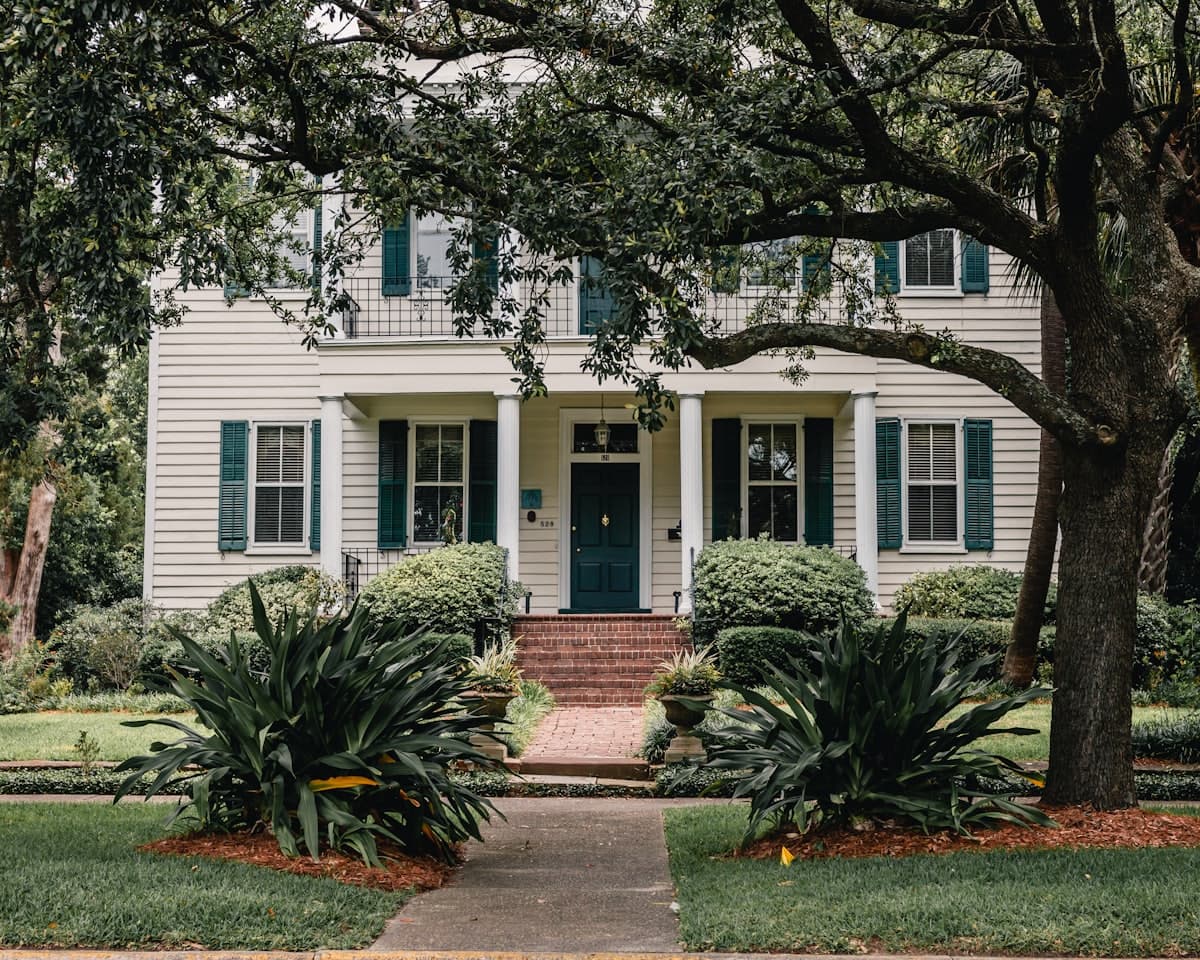
Some of the most beautiful homes near Charlotte's center have something new construction can't manufacture overnight: character. Mature trees. Established streets. Original details. Architecture that gives an entire block its identity.
But charm should never replace due diligence.
With an older property, I want to understand what has been updated, what hasn't and what may eventually need attention. That can mean looking more closely at electrical systems, plumbing, roofing, HVAC, windows, drainage, foundations or crawlspaces, and previous renovations or additions.
None of those things automatically makes an older home a bad purchase. They simply help us understand what we're actually buying.
Because I want you to notice the beautiful front porch. I also want you to know what's underneath it.
What should I know before buying a luxury property?
Price alone doesn't make a property exceptional. At higher price points, I want to understand what is actually creating the value.
Is it the location? Lot? Architecture? Renovation quality? Privacy? Views? Building? Materials? Floor plan? Scarcity? And perhaps more importantly: Will another buyer recognize that value later?
Luxury buyers should still be thoughtful buyers. Beautiful finishes can create an emotional reaction, but craftsmanship, condition, functionality, location and long-term marketability deserve just as much attention.
The more significant the investment, the more important it becomes to separate what is impressive from what is truly valuable.
If I'm relocating to Charlotte, should I choose a neighborhood before I arrive?
Research before you arrive. Decide after you experience it.
You can learn an incredible amount online, but a neighborhood guide can't completely tell you what a place feels like during your actual routine.
If possible, spend time in the areas you're considering. Drive the commute you'd actually make. Go to dinner nearby. Walk around. Visit the grocery store you'd probably use. See how long it takes to reach the airport, work, your gym or the places you'll frequent most.
Pay attention to what changes when you travel only a few streets. At that point, you're no longer touring Charlotte. You're testing your future life here.
If you're still deciding which central Charlotte area fits you best, my previous Charlotte Unlocked article, Uptown, South End or Myers Park? How to Choose Where to Live in the Heart of Charlotte, is a good place to begin.
If I'm selling, should I renovate before putting my home on the market?
Not automatically. One of the easiest ways for a seller to overspend is to assume everything dated needs to become new.
Sometimes a renovation makes sense. Sometimes the better investment is paint, landscaping, professional cleaning, minor repairs, strategic staging or simply removing things that distract from the property. And sometimes the smartest decision is to leave something alone.
Before spending significant money, I want to understand what buyers at your price point are likely to expect, how your property compares with its competition and whether the improvement has a reasonable chance of strengthening your position.
Spend with a strategy, not out of panic.
How should I decide what my home is worth?
Start with the market, not the number you hope to receive.
Sellers naturally think about what they paid, what they've invested into the property and what they would like to walk away with. Those numbers matter to you. But the buyer standing on the other side of the transaction is comparing your home with everything else available to them.
That's why pricing requires context. Comparable sales matter. So do current competition, condition, location, improvements, presentation, buyer demand and the characteristics that make your property more or less compelling than another option.
The question shouldn't only be, "How much can we list it for?" I think the better question is, "How should we position this property so the market understands its value?" Those are very different conversations.
What should I look for when choosing a real estate agent?
Ask more than how many homes they've sold. Ask how they think.
How will they help you make decisions? How do they communicate? How thoroughly do they prepare? How well do they understand the type of property and area you're considering?
If you're selling, ask how they would position your home rather than simply how they market homes in general. If you're buying, ask whether they'll tell you when they think you should slow down.
Ask what happens when the inspection uncovers something unexpected, negotiations become difficult or the transaction doesn't follow the perfect timeline everyone imagined. And ask who they have around them when you need a lender, attorney, inspector, contractor or another trusted professional.
Then ask yourself one more question: Do I trust this person enough to tell me something I may not want to hear?
Because real estate agents can open doors and write contracts. A good advisor helps you make decisions. Know which one you're hiring.
What if I'm moving out of Charlotte?
Start the conversation here anyway. Good representation shouldn't end simply because your next address is somewhere else.
If I'm not the right person to represent you in the market you're moving to, I believe part of serving you well is helping identify someone who is.
I've always believed that being a resource doesn't mean pretending to know everything. Sometimes it means knowing exactly who to call. The goal isn't to be everything to everyone. It's to make sure my clients aren't left figuring out the next step alone.
So, where do I begin?
With a conversation.
You don't need to know exactly where you want to live. You don't need to understand every step of selling. You don't need to know whether you're ready to purchase this month, six months from now or sometime next year. And you definitely don't need to arrive with all the right questions. That's part of what I'm here for.
Charlotte is a city of neighborhoods, buildings, streets and pockets that can feel remarkably different only minutes apart. The closer you look, the more those details matter.
My job isn't simply to help you get through a transaction. It's to help you understand the decision you're making before you make it.
So whether you're considering buying, selling, investing, relocating to Charlotte or moving somewhere completely different, start with what you know. Bring me the question. We'll figure out the rest together.
Porschia Wimbush
Wimbush & Co.